
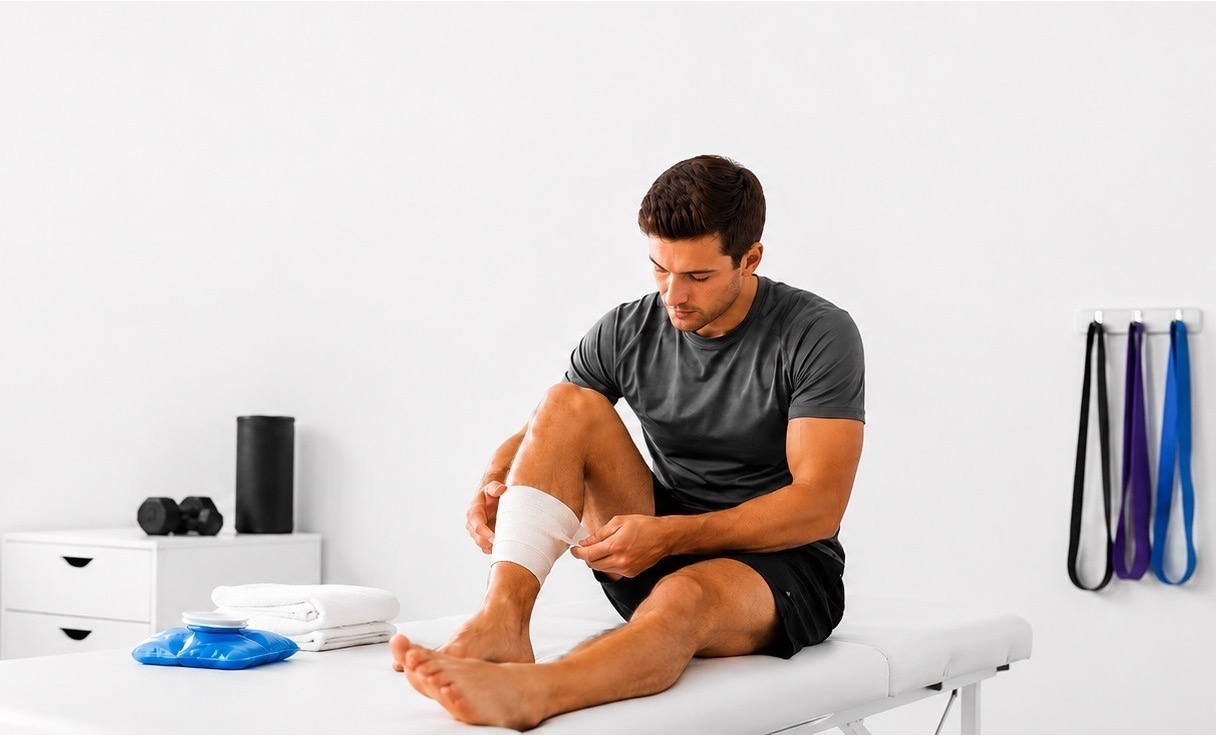
How to Heal Sports Injuries Faster: 6 Tips for Recovery
Discover six proven tips on how to heal sports injuries faster, from quality sleep and proper nutrition to peptide support with Neuvéra's daily strips.
Key Takeaways
Sleep is when the body releases most of its daily growth hormone, which drives cellular regeneration, protein synthesis, and collagen production during recovery.
Peptides like BPC-157 and TB-500 are used in sports injury recovery, particularly for their role in supporting tendon, ligament, and muscle tissue.
Protein, anti-inflammatory foods, and adequate vitamin C give the body the materials it needs to rebuild damaged tissue and form new collagen.
Hydration, electrolyte balance, and a careful return to activity all contribute to recovery.
Neuvéra's BPC-157 + TB-500 oral dissolving strips deliver a fast-absorbing pre-measured peptide dose, making them easy to integrate into an athlete's daily recovery routine.
Sports Injury Recovery Strategies That Work
Recovering from sports injuries requires targeted strategies that support tissue repair, reduce inflammation, and maintain mobility.
Structured approaches, including sleep optimization, proper nutrition, hydration, and gradual return to activity, improve healing outcomes. Peptides such as BPC-157 and TB-500 have also been studied for their role in tendon, ligament, and muscle repair.
A complete recovery strategy combines lifestyle, nutrition, and advanced support. Neuvéra’s strips make it easier to integrate peptide support into your daily routine, with no injection or preparation required.
6 Tips for Faster Sports Injury Recovery
1. Prioritize Sleep
Sleep does the heaviest lifting in injury recovery. During deep slow-wave sleep, the body releases the majority of its daily human growth hormone, which drives cellular regeneration, protein synthesis, and collagen production. Cutting sleep short reduces the hormonal environment the body relies on to repair tissue.
Sleep quality matters just as much as duration. A full 9 hours of fragmented sleep will not deliver the same hormonal benefit as 8 hours of uninterrupted deep sleep. If pain is disrupting your sleep, address it directly with your healthcare provider, as interrupted recovery sleep significantly extends total healing time.
2. Support Recovery With Peptides
Peptides are short chains of amino acids that act as signaling molecules in the body. Certain peptides have been studied for their role in supporting tissue regeneration, managing inflammation, and supporting collagen synthesis.
BPC-157 (Body Protection Compound 157) is one of the most researched peptides for injury recovery. Originally derived from a protein found in gastric juice, BPC-157 has been studied for its role in supporting tendon and ligament repair and the body's inflammatory response after injury.
TB-500 (a synthetic Thymosin Beta-4) is often paired with BPC-157 in recovery routines for its role in supporting cellular regeneration and structural recovery. Traditionally, peptides were available only via injection, which limited access for most athletes.
Oral dissolving strips, such as Neuvéra's BPC-157 + TB-500, have opened a new path. They dissolve sublingually, allowing the peptide to be absorbed directly into the bloodstream at a 92.5% absorption rate. For athletes seeking a convenient way to add peptide support to their recovery routine, this delivery format is a meaningful step forward.
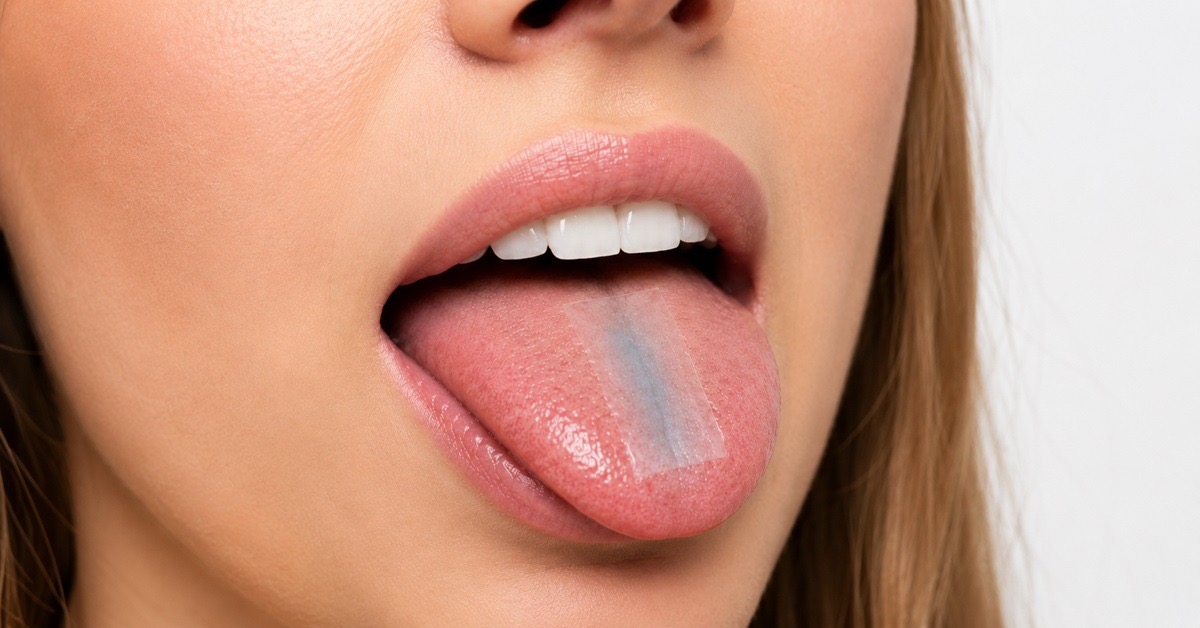
Peptides absorbed under the tongue skip the digestive system, which is why this delivery route reaches absorption rates closer to injection than to standard oral formats.
3. Fuel Recovery With the Right Nutrition
What an athlete eats during recovery directly affects how quickly the body can rebuild damaged tissue. Protein is the most important macronutrient here. It provides the amino acids the body uses to synthesize new collagen and repair muscle fibers. Quality sources include eggs, wild-caught salmon, Greek yogurt, chicken breast, and legumes.
Anti-inflammatory foods are equally important during recovery. Fatty fish like salmon and mackerel provide omega-3 fatty acids, which support the body's natural inflammation response.
Vitamin C deserves special mention because it is a direct cofactor in collagen synthesis. This means the body cannot build the structural proteins needed for tendon, ligament, and cartilage repair without enough of it. Citrus fruits, bell peppers, and kiwi are all good sources.
4. Stay Hydrated Throughout Recovery
Hydration is one of the most underestimated recovery habits. Water transports oxygen and nutrients to the injury site, flushes metabolic waste from damaged tissue, and maintains the synovial fluid that keeps joints moving smoothly.
During recovery, fluid needs may be higher than during normal training, especially if inflammation is involved. A steady daily intake plus extra around any activity is a solid baseline.
Electrolytes, such as sodium, potassium, and magnesium, work together to regulate fluid balance at the cellular level. Coconut water and mineral-rich broths are practical ways to keep these levels balanced without leaning on sugar-heavy sports drinks.
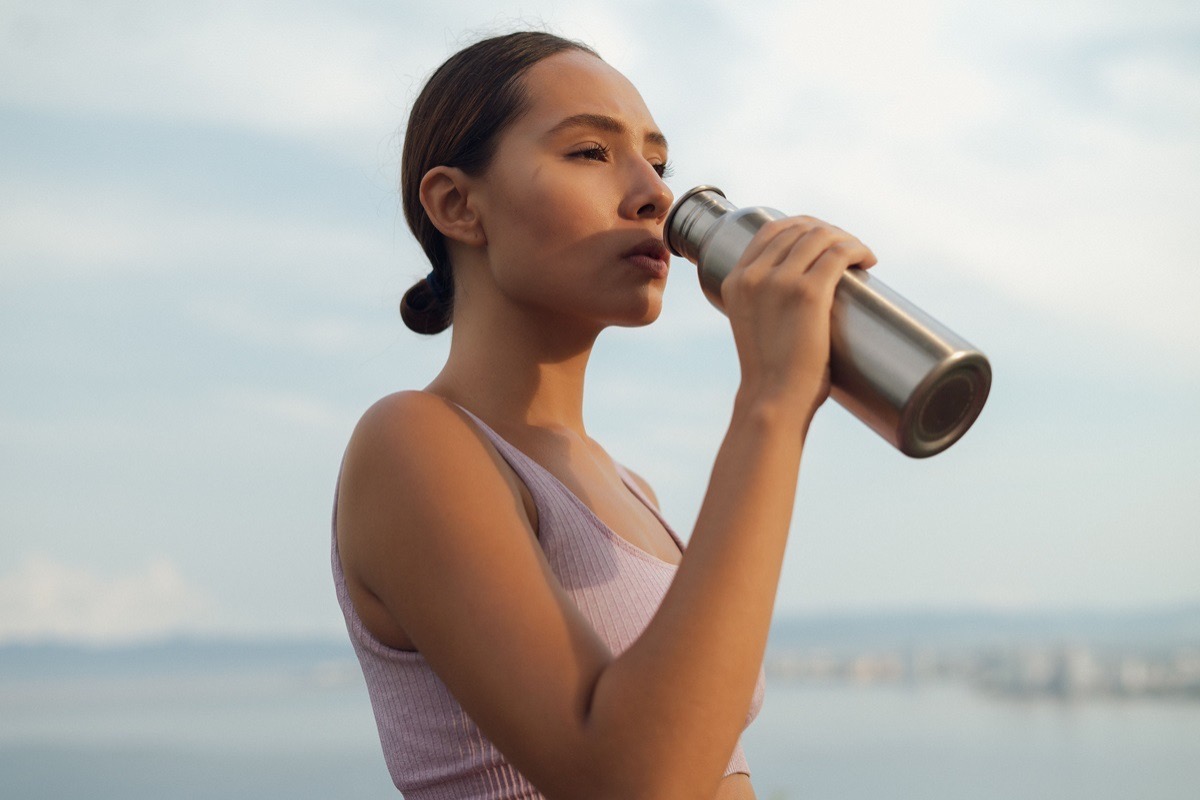
Dehydration has been shown to impair physical performance and slow cellular repair processes.
5. Return to Activity Gradually & Deliberately
Returning to sport too quickly is one reason minor injuries become recurring or chronic problems. Newly formed tissue during the repair phase is structurally weaker than mature tissue. Loading it too hard before it has fully remodeled creates micro-tears that restart the inflammation cycle.
A return-to-sport protocol should follow a progressive loading model. Start with pain-free range of motion work, advance to light resistance, then sport-specific movement patterns, and only then return to full-intensity training.
Pain is the most reliable guide. Mild discomfort is acceptable, but sharp or worsening pain is not. If pain increases during or after an exercise session, scale back immediately instead of pushing through.
6. Know When to See a Pro
See a sports medicine physician or orthopedic specialist if your pain is not improving after 72 hours of conservative care. The same goes for any injury that came with a popping sound or feeling, visible swelling, a joint that looks out of position, or trouble putting weight on the area.
Some injuries, including partial and full ligament tears, stress fractures, and labral damage, require imaging and professional intervention to heal correctly. Early diagnosis almost always shortens total recovery time.
How Does Neuvéra Support Daily Recovery?
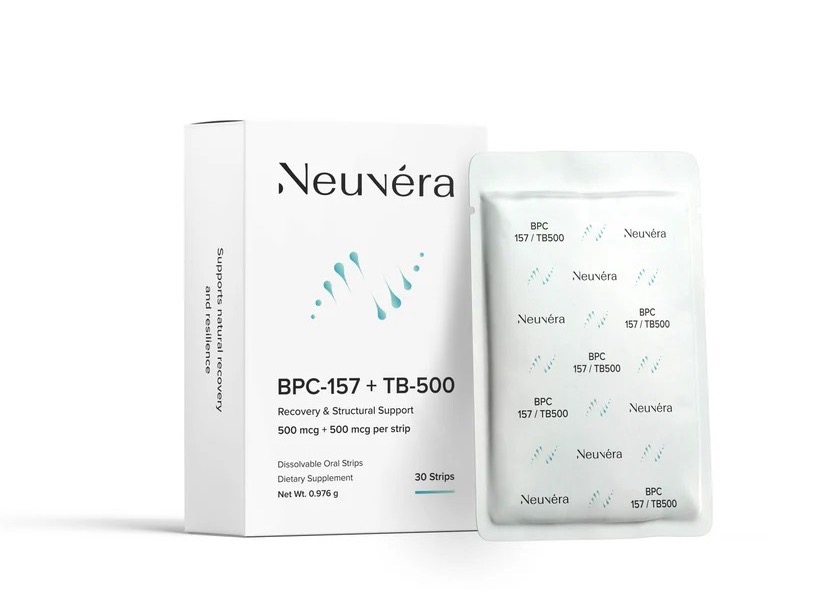
Neuvéra strips support daily recovery with pre-dosed peptides absorbed in seconds, without complicated prep required.
Faster recovery comes from the small choices made every day, from sleep and nutrition to hydration and a measured return to training. Each tip in this article works on its own, but the real progress shows up when they stack together over time. The body rebuilds tissue continuously, and a consistent routine gives it the best chance to do that work well.
At Neuvéra, our BPC-157 + TB-500 oral dissolving strips deliver peptide support in a needle-free, pre-measured format built for daily use. Each strip dissolves under the tongue in seconds, with no injection or prep needed. Try Neuvéra in your recovery routine and feel the difference a daily format can make.
Frequently Asked Questions (FAQs)
How long does it take to recover from a common sports injury?
Recovery time depends on the type and severity of the injury. A mild muscle strain can settle within a few days with proper care; a moderate ligament sprain often takes several weeks, and more serious injuries like a torn ACL or a stress fracture may require months of structured rehabilitation. Consistent nutrition, sleep, and a measured return to activity all influence how quickly a person recovers.
Is it safe to exercise with a sports injury?
It depends on the injury and the type of exercise. Low-impact movement in uninjured areas often supports recovery, so swimming, cycling, or upper-body training can usually continue while a lower-body injury heals. Avoid loading the injured tissue, and stop if you notice sharp pain, worsening swelling, or joint instability.
Does ice or heat work better for sports injuries?
Ice is generally used in the first couple of days for acute injuries with visible swelling because it constricts blood vessels and numbs pain. Heat works better once the swelling has gone down, as it improves blood flow and relaxes muscle tension. The rule of thumb: ice while the area is still warm and swollen, heat once it feels stiff or tight.
When should you see a doctor for a sports injury?
Not every sports injury needs a doctor, but some do. See a medical professional if you heard a pop or snap at the time of injury, if there is significant swelling around a joint, if you cannot put weight on an injured limb, or if there is visible deformity, numbness, or tingling. Pain that lingers past a few days of conservative care or an injury that keeps coming back in the same spot is also worth a visit.
Which peptide helps with sports injury recovery?
BPC-157 has been studied for its role in supporting tendon, ligament, and muscle tissue. TB-500 is another strong option, particularly for injuries involving inflammation and reduced range of motion.
Neuvéra's BPC-157 + TB-500 oral dissolving strips deliver both peptides in a daily format that takes seconds to use. Every batch is third-party tested and produced in the USA under NSF-certified, cGMP-compliant standards.
*Disclaimer: The information in this article is for general informational purposes only and is not intended as medical advice, diagnosis, or treatment. Neuvéra's products are not pharmaceutical products. Individual results may vary. Always consult a qualified healthcare professional before starting any new wellness routine.
Written by Cody Nickson
READY TO CHOOSE?
Find your daily strip routine.
Answer one simple question: what are you building around? Then compare Neuvéra routines by goal.