
BPC-157 vs Collagen Peptides: Differences, Benefits & How to Use
Compare BPC-157 vs collagen peptides, including how they work, their benefits, and how to use each. See how Neuvéra’s BPC-157 strips fit into your routine.
Key Takeaways
BPC-157 acts as a signaling peptide to activate repair pathways, while collagen peptides supply the body with amino acids needed for connective tissue building.
Collagen peptides support joint health, skin elasticity, hair and nail strength, and overall structural maintenance of muscles and bones.
BPC-157 aids tendon and ligament recovery, modulates inflammation, and helps damaged tissue rebuild efficiently.
Collagen peptides are mixed into food or drinks, whereas BPC-157 can be taken as an injectable, capsule, liquid, or oral-dissolving strip for fast absorption.
Neuvéra's BPC-157 + TB-500 oral strips deliver BPC-157 in a needle-free daily format, with 92.5% clinically validated absorption and a 5- to 15-minute onset.
Choosing Between BPC-157 & Collagen Peptides
Most people start taking collagen peptides for skin, joints, or general upkeep and only discover BPC-157 when they hit a recovery wall that collagen alone can't fix. That's because collagen gives your body amino acids to work with, but it doesn't speed up the repair process itself. BPC-157 does, by signaling cells to rebuild faster and grow new blood vessels around damaged tissue.
The two aren't competing options. Collagen handles the slow, steady maintenance work like keeping joints comfortable, skin firm, and nails strong. BPC-157 steps in when something specific needs recovery, whether that's a stubborn tendon, an inflamed gut lining, or soft tissue that won't bounce back on its own.
Where format matters most is with BPC-157, since absorption varies widely depending on how you take it. Neuvéra's BPC-157 + TB-500 oral strips bypass digestion entirely, dissolving under the tongue with a 92.5% absorption rate, no needles, no mixing, and no refrigeration needed.
What Is BPC-157?
BPC-157, short for Body Protection Compound 157, is a synthetic 15-amino-acid peptide originally derived from a protein found in human gastric juice.
What makes BPC-157 particularly interesting is its multi-pathway mechanism. It activates fibroblasts (the cells that produce collagen), promotes the formation of new blood vessels, and supports cell migration to injury sites. That combination of effects is why it shows stronger outcomes than single-mechanism compounds in tissue repair studies.
What Are Collagen Peptides?
Collagen peptides are short chains of amino acids derived from hydrolyzed collagen. They are typically sourced from bovine hides, marine fish, or chicken cartilage.
Hydrolysis breaks down full collagen proteins into smaller fragments that are easier for the body to absorb. Once absorbed, these fragments act as signaling molecules that stimulate the body's own collagen-producing cells and provide the raw amino acid building blocks needed for tissue repair.
BPC-157 vs Collagen Peptides: Key Differences
Origin
Collagen peptides are derived from natural animal sources. BPC-157 is a synthetic peptide, lab-manufactured to replicate the amino acid sequence originally found in human gastric juice.
This distinction shapes how each is regulated and which third-party tests are important. For collagen, look for transparency in sourcing. For BPC-157, look for certificate of analysis documentation and verified purity.
Mechanism
Collagen peptides work by supplying structural amino acids and triggering fibroblast activity, which gives the body more raw material while nudging it to build. BPC-157 acts as a signaling molecule, activating multiple repair pathways. The difference: collagen peptides supply building blocks, while BPC-157 directs the construction.
Format
Collagen peptides are typically sold as powders, capsules, or liquids that get mixed into food or drinks. BPC-157 is available in injection, capsule, liquid, and oral-dissolving strip formats, each suited to different priorities. Sublingual strips offer the best balance between absorption and daily ease, by delivering the peptide directly through the oral mucosa without injection prep or mixing.

Oral-dissolving strips are pre-measured for consistent, daily use.
Benefits of BPC-157
Tendon & Ligament Repair
Tendons and ligaments are notoriously slow to recover because of their poor blood supply. They receive far less oxygen and nutrient delivery than muscle tissue.
BPC-157 directly addresses this limitation by promoting angiogenesis, the formation of new blood vessels, while also activating the fibroblasts that produce collagen.
In preclinical studies of Achilles tendon injury, BPC-157-treated subjects exhibited faster recovery and improved collagen alignment compared with controls. This mechanism is why BPC-157 is referenced often in athlete recovery.
Gut Support & Digestive Health
BPC-157 was originally identified for its gastroprotective properties when researchers studied compounds in human gastric juice. Preclinical studies show its role in supporting the intestinal lining and the body's natural inflammatory response in the gut. This makes BPC-157 unique among recovery-focused peptides, since the same compound has been studied across both connective tissue and digestive use cases.
Inflammatory Response Support
Inflammation plays a dual role in injury recovery. The acute inflammatory response initiates repair, while prolonged inflammation slows it down.
BPC-157 has been studied for its role in modulating the inflammatory cascade rather than suppressing it entirely. This preserves the beneficial early-stage response while reducing chronic inflammation.
Benefits of Collagen Peptides
Joint Pain Relief
Collagen peptides have multiple randomized controlled trials supporting their role in joint comfort, with benefits appearing across study windows of 8 to 24 weeks.
Different collagen types serve different purposes. Type I collagen targets tendons, ligaments, bone, and skin, while Type II is more specific to cartilage and joints.
Skin, Hair, & Nail Support
Collagen is the most abundant protein in the skin, making up roughly 70–80% of its dry weight. As collagen production naturally declines with age, skin loses density, elasticity, and moisture retention. Oral collagen peptide supplementation has been shown to measurably improve skin elasticity and hydration, with some trials also reporting reductions in the depth of visible wrinkles.
Hair and nail benefits are less extensively studied than skin outcomes, but the underlying mechanism is similar. Both are keratin-based structures that depend on adequate availability of amino acids, which collagen peptides supply at high concentrations.
Muscle Recovery & Bone Density
Collagen is a key component of the connective tissue that supports muscle function. Post-exercise collagen peptide supplementation has shown promise for supporting connective tissue recovery, particularly when timed around training.
Studies show they can support bone density, with one 12-month randomized controlled trial finding that postmenopausal women taking collagen peptides daily showed significant improvements in bone mineral density.
BPC-157 vs Collagen Peptides: How to Use
How to Use Collagen Peptides
Collagen peptides are straightforward to use. Hydrolyzed collagen powder dissolves easily in hot or cold liquids with no taste, making it one of the simplest formats to fit into a daily routine.
Capsules and liquid forms are also an option for those who prefer not to mix powder into drinks. Some research suggests collagen synthesis in connective tissue increases when collagen is taken with vitamin C before exercise.
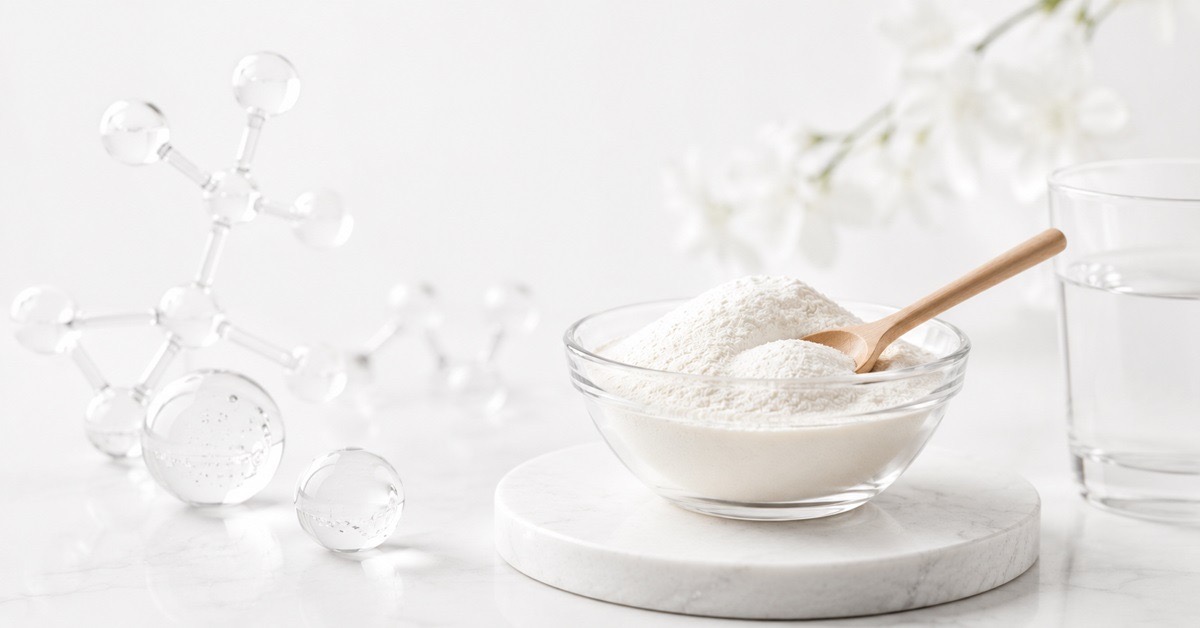
Powdered collagen is the most common format because it dissolves easily into liquid.
How to Use BPC-157
BPC-157 is available in several formats, each with different absorption profiles and routine fit. Injectable BPC-157 delivers the peptide directly into circulation and can be administered near the area of recovery. Oral capsules and liquid drops are also available, though both have lower absorption than injections due to the digestive system.
Neuvéra's oral dissolving strips offer a third format option. They deliver BPC-157 through the mucosa under the tongue, bypassing the digestive breakdown that limits oral capsules.
BPC-157 vs Collagen Peptides: Quick Comparison
Category | BPC-157 | Collagen Peptides |
What it is | Synthetic peptide that replicates a sequence from human gastric juice | Hydrolyzed animal protein from bovine, marine, or poultry sources |
How it works | Acts as a signaling molecule that activates repair pathways | Supplies structural amino acids and signals collagen production |
Benefits | Tendon and ligament repair, inflammation modulation, digestive support | Joint comfort, skin elasticity, hair and nail support, bone density |
Formats available | Injection, capsule, liquid, oral dissolving strip | Powder, capsule, liquid |
Daily routine fit | Strip format takes seconds, no prep needed | Powder requires mixing into food or drinks |
How Neuvéra Makes BPC-157 Routine-Friendly
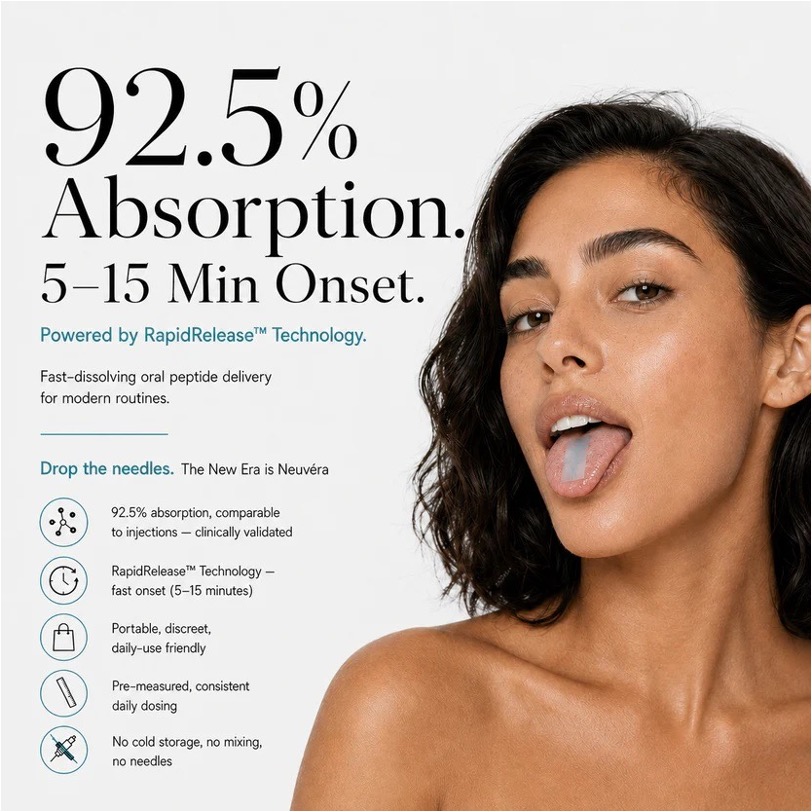
Neuvéra's RapidRelease™ Technology delivers BPC-157 quickly through the sublingual mucosa, allowing fast absorption directly into the bloodstream.
BPC-157 and collagen peptides support recovery in different ways: BPC-157 acts as a signaling peptide, while collagen provides structural building blocks. Incorporating either into a daily routine can enhance tissue repair, maintain connective tissue integrity, and support overall recovery. Using a format that allows fast, consistent absorption makes it easier to keep the routine simple and effective.
Neuvéra makes it easy to include BPC-157 in your daily wellness routine with oral dissolving strips that deliver 92.5% absorption and are third-party tested for quality. The strips are ready-to-use, portable, and require no mixing, measuring, or refrigeration. Experience a convenient daily routine with Neuvéra’s BPC-157 strips and integrate peptide support seamlessly into your daily routine.
Frequently Asked Questions (FAQs)
Are collagen peptides the same as BPC-157?
No, collagen peptides are small fragments of structural collagen protein derived from animal sources such as bovine or marine tissue. BPC-157 is a synthetic 15-amino-acid peptide based on a sequence found in human gastric juice. Collagen supplies amino acid building blocks the body uses to rebuild tissue, while BPC-157 signals the cells that drive the repair process.
How long does it take for collagen peptides to work?
Collagen peptides require consistent, sustained use to produce measurable results. Most studies suggest collagen peptides may take weeks to months of consistent daily use before noticeable effects appear, but results vary depending on age, dosage, diet, and overall health.
Is it better to take peptides or collagen?
Each compound is better suited to different goals. Collagen peptides are widely used for joint support and skin health, while BPC-157 has stronger research backing for tendon, ligament, and muscle tissue recovery.
Does BPC-157 increase collagen?
Indirectly, yes. BPC-157 does not contain collagen or provide collagen amino acids. However, studies suggest it activates fibroblasts, which are the cells that produce collagen. By supporting fibroblast activity and angiogenesis, BPC-157 helps create the conditions for collagen production during recovery.
What is the best way to take BPC-157?
For people who want to enjoy the high absorption of an injection and the ease of use of an oral format, sublingual delivery offers the best combination. Neuvéra's BPC-157 + TB-500 oral strips deliver the peptide directly through the oral tissue, where it absorbs into circulation without passing through the digestive system. The strips also remove the prep and refrigeration required for injectable peptides.
*Disclaimer: The information in this article is for general informational purposes only and is not intended as medical advice, diagnosis, or treatment. Neuvéra's products are not pharmaceutical products. Individual results may vary. Always consult a qualified healthcare professional before starting any new wellness routine.
Written by Cody Nickson
READY TO CHOOSE?
Find your daily strip routine.
Answer one simple question: what are you building around? Then compare Neuvéra routines by goal.