
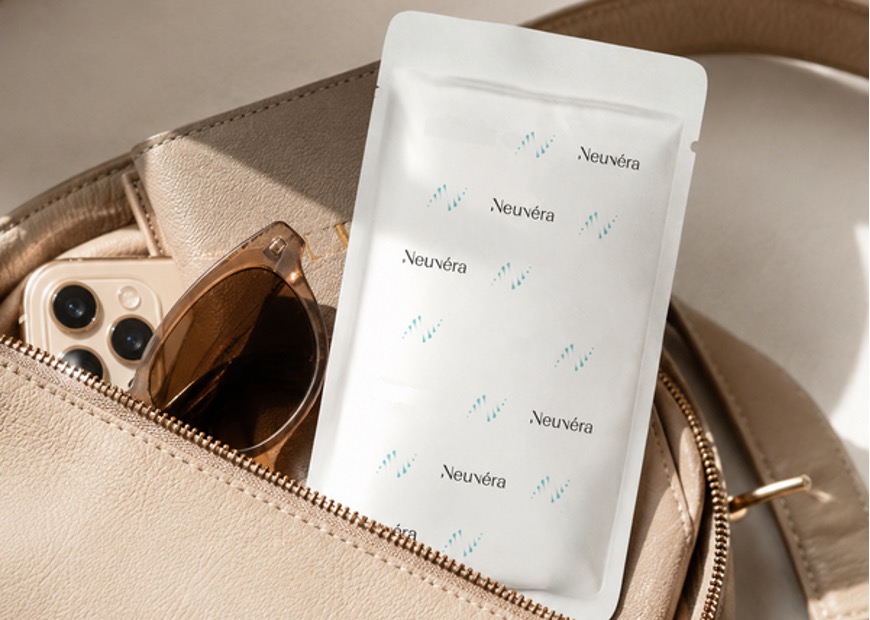
BPC-157 vs GHK-Cu Peptides: Differences, Benefits & Use Cases
BPC-157 or GHK-Cu? Compare these popular peptides, their unique roles, potential benefits, and applications for recovery, regeneration, and skin wellness.
Key Takeaways
BPC-157 is a 15-amino-acid peptide studied for its potential role in tissue repair, physical resilience, and the body’s natural recovery processes.
GHK-Cu is a copper-binding tripeptide associated with collagen production, skin renewal, and healthy aging support.
These peptides differ in structure: BPC-157 is a larger pentadecapeptide, while GHK-Cu is a smaller tripeptide made of three amino acids.
The right peptide depends on your goals, with BPC-157 often chosen for recovery-focused needs and GHK-Cu for skin and cosmetic applications.
Neuvéra’s BPC-157 + TB-500 RapidRelease™ Oral Strips offer a convenient, pre-measured format designed to support consistent recovery routines without injections.
Two Peptides, Two Very Different Jobs
BPC-157 and GHK-Cu get compared often, but they were never built for the same job. BPC-157 is a synthetic 15-amino-acid peptide that most people turn to for recovery, leaning toward tendons, ligaments, muscle, joints, and gut health. GHK-Cu is a copper-binding tripeptide of just three amino acids, and it sits firmly on the skin and healthy-aging side.
Part of what makes GHK-Cu interesting is that your body already produces it, and those levels drop as you age, which is a big reason it's studied for collagen and skin renewal. So the choice between the two comes down to your goal: repair and resilience, or skin and appearance.
For recovery-focused routines, Neuvéra's BPC-157 + TB-500 RapidRelease Oral Strips deliver 500 mcg of each peptide in a pre-measured strip, making daily peptide support simple without injections or mixing.
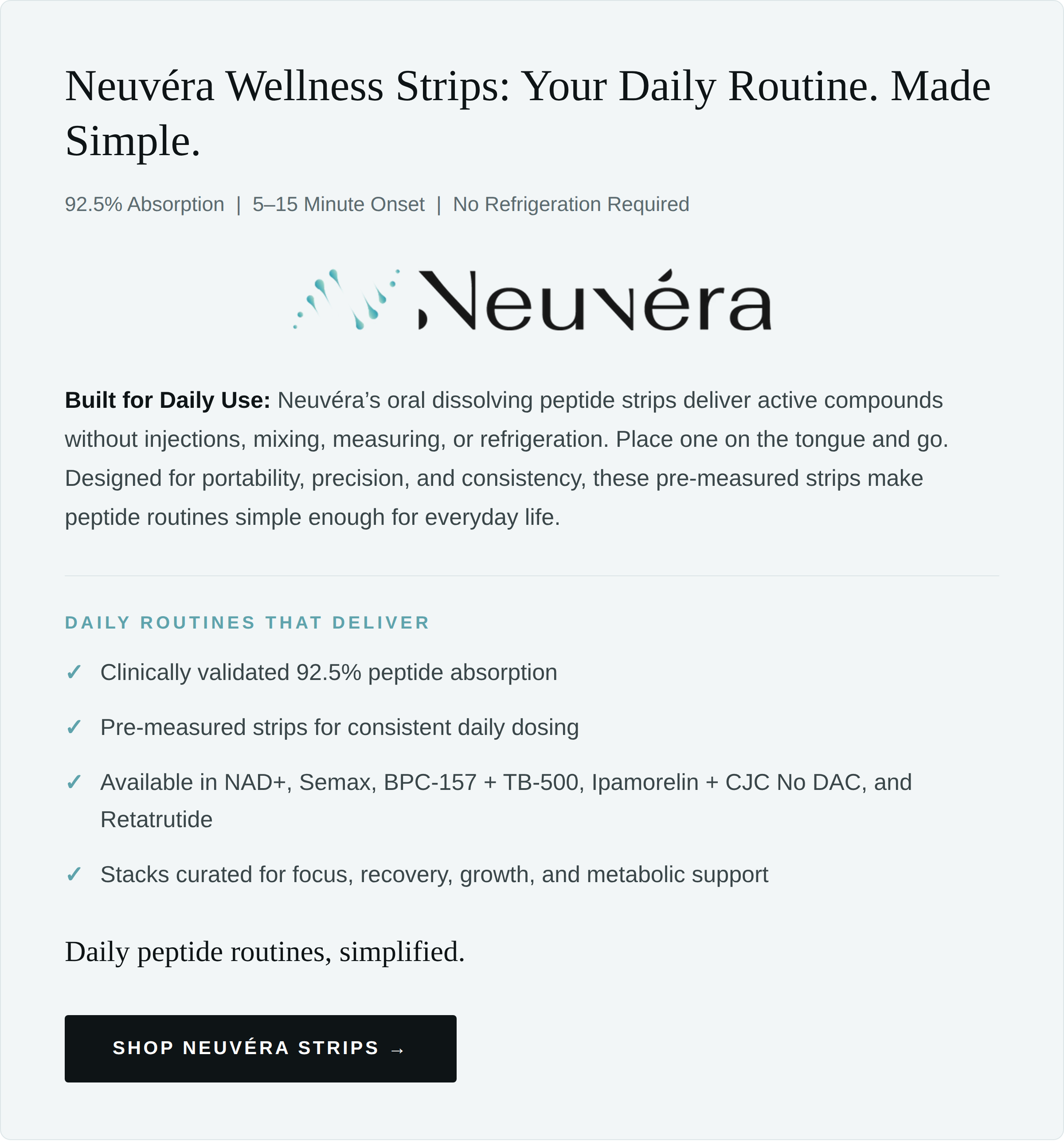
What Is BPC-157?
BPC-157, short for Body Protection Compound 157, is a synthetic peptide consisting of 15 amino acids. It is derived from a sequence of a protein originally identified in human gastric juice and has been studied for its potential protective properties, particularly in relation to gastrointestinal tissues.
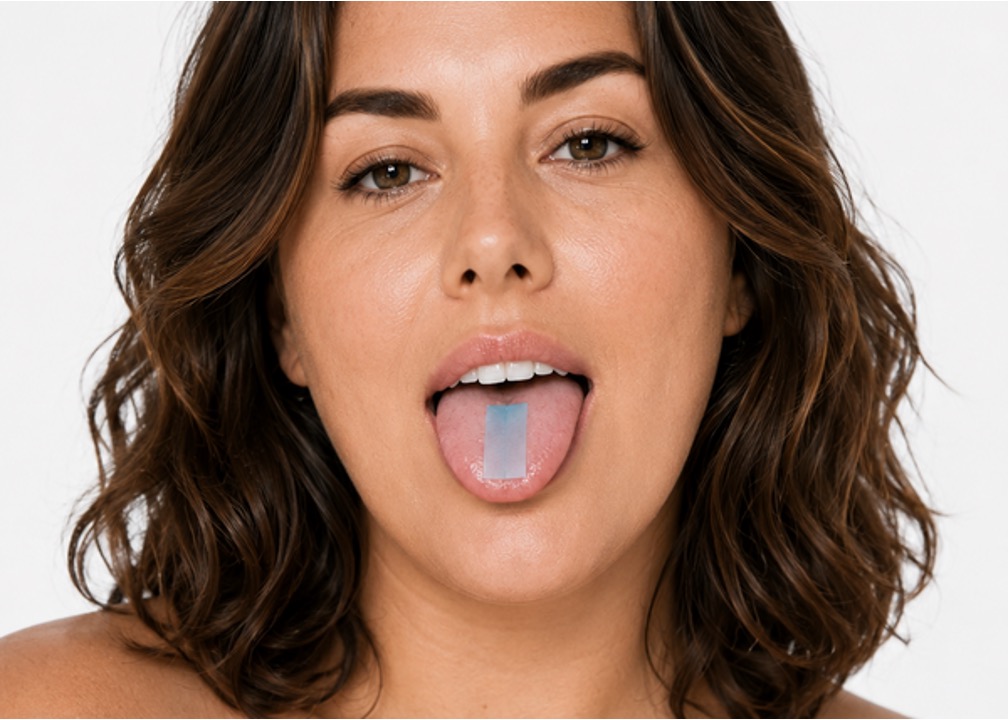
BPC-157 is commonly associated with tissue recovery and physical resilience support.
Unlike some naturally occurring peptides, BPC-157 is not found in significant measurable concentrations in circulating plasma. The synthetic form used in research has demonstrated stability in acidic conditions and has been evaluated primarily through preclinical studies.
Research on BPC-157 has found its potential role in tissue repair and recovery. A study published in the Journal of Physiology and Pharmacology examined BPC-157’s role in muscle and tendon recovery and found that the peptide influenced angiogenesis-related processes, including VEGF expression, which is involved in blood vessel formation and tissue repair.
What Is GHK-Cu?
GHK-Cu, also known as glycyl-L-histidyl-L-lysine copper, is a naturally occurring copper-binding tripeptide made up of three amino acids: glycine, histidine, and lysine. It was first identified in human plasma in 1973 and has since been studied for its role in biological processes related to tissue repair and skin health.
The peptide naturally exists in the body, with research suggesting that GHK-Cu levels decrease as people age. This decline has contributed to growing interest in studying its potential role in age-related changes, particularly those involving skin structure and regeneration.
Research on GHK-Cu has focused on areas such as wound recovery, collagen production, fibroblast activity, and skin remodeling. It has also been investigated in hair biology, with studies exploring its potential influence on hair follicle activity and the growth phase of the hair cycle.
Key Differences Between BPC-157 & GHK-Cu
How They Work
BPC-157 and GHK-Cu support the body's recovery processes in different ways. BPC-157 is commonly associated with promoting tissue recovery and supporting the body's natural response to injury. GHK-Cu, on the other hand, is best known for encouraging collagen production, activating fibroblasts, and supporting skin and connective tissue renewal.
Main Uses
BPC-157 is often chosen for tendon, ligament, muscle, and joint support, and it has also gained attention for its potential role in gastrointestinal health. GHK-Cu is more commonly used for skin rejuvenation, wound recovery, reducing visible signs of aging, and supporting healthier hair growth.
Which One Is Better?
Neither peptide is universally better than the other; they are designed for different purposes. BPC-157 is generally favored for supporting soft tissue recovery and gut health, while GHK-Cu is often preferred for enhancing skin appearance, promoting collagen production, and supporting hair health. The better option depends on your individual goals and the specific outcomes you are looking to achieve.
Potential Benefits & Applications of BPC-157 & GHK-Cu
Knowing what each peptide does is one thing; knowing which fits your situation is another. Here is how the two tend to map onto real goals.
When BPC-157 Makes Sense
BPC-157 is usually the pick when the goal is bouncing back after hard training, a nagging tendon or joint issue, or general wear that is slow to settle. Because it is also studied in connection with the gut lining, some people use it when digestive comfort is part of the picture. It suits routines where consistency over weeks matters more than a quick fix.
When GHK-Cu Makes Sense
GHK-Cu tends to appeal to goals you can see: firmer-looking skin, a smoother complexion, or support for thinning hair. It shows up most often in topical and cosmetic formulas for this reason, making it the more natural fit for appearance-driven routines rather than athletic recovery.
Using Them Together
Because they act through separate pathways, some people treat them as complementary rather than either-or, pairing recovery support with skin and regeneration support. Worth keeping in mind, though: there are no large human trials confirming added benefit from combining them, so it is best approached as a personal-goals decision rather than a proven protocol. Peptides in general are discussed as longer-term routines, so results are gradual rather than immediate whichever you choose.

BPC-157 focuses on recovery-related applications, while GHK-Cu is often used in skin-focused formulas.
BPC-157 vs GHK-Cu: Key Differences at a Glance
Feature | BPC-157 | GHK-Cu |
Full Name | Body Protection Compound 157 | Glycyl-L-Histidyl-L-Lysine Copper |
Primary Focus | Tissue recovery, repair support, and physical resilience | Skin health, collagen support, and regeneration |
How It Works | Supports the body’s natural recovery response and tissue maintenance processes | Supports collagen production, fibroblast activity, and skin remodeling |
Common Applications | Tendons, ligaments, muscles, joints, and gastrointestinal support | Skin renewal, healthy aging, wound support, and hair-related applications |
Key Benefits | Associated with recovery after physical stress and connective tissue support | Associated with improved skin structure, elasticity, and regenerative processes |
Structure Difference | Larger peptide structure with 15 amino acids | Smaller peptide structure with 3 amino acids |
Best Suited For | Recovery-focused goals and tissue support routines | Skin-focused goals, collagen support, and cosmetic applications |
Complete Your Recovery Routine With Neuvéra
Choosing between BPC-157 and GHK-Cu ultimately depends on your wellness goals. If your priority is supporting your body's natural recovery, tissue maintenance, and physical resilience, a BPC-157-based routine may be the ideal choice. The most important step is selecting a high-quality product that fits seamlessly into your daily lifestyle.
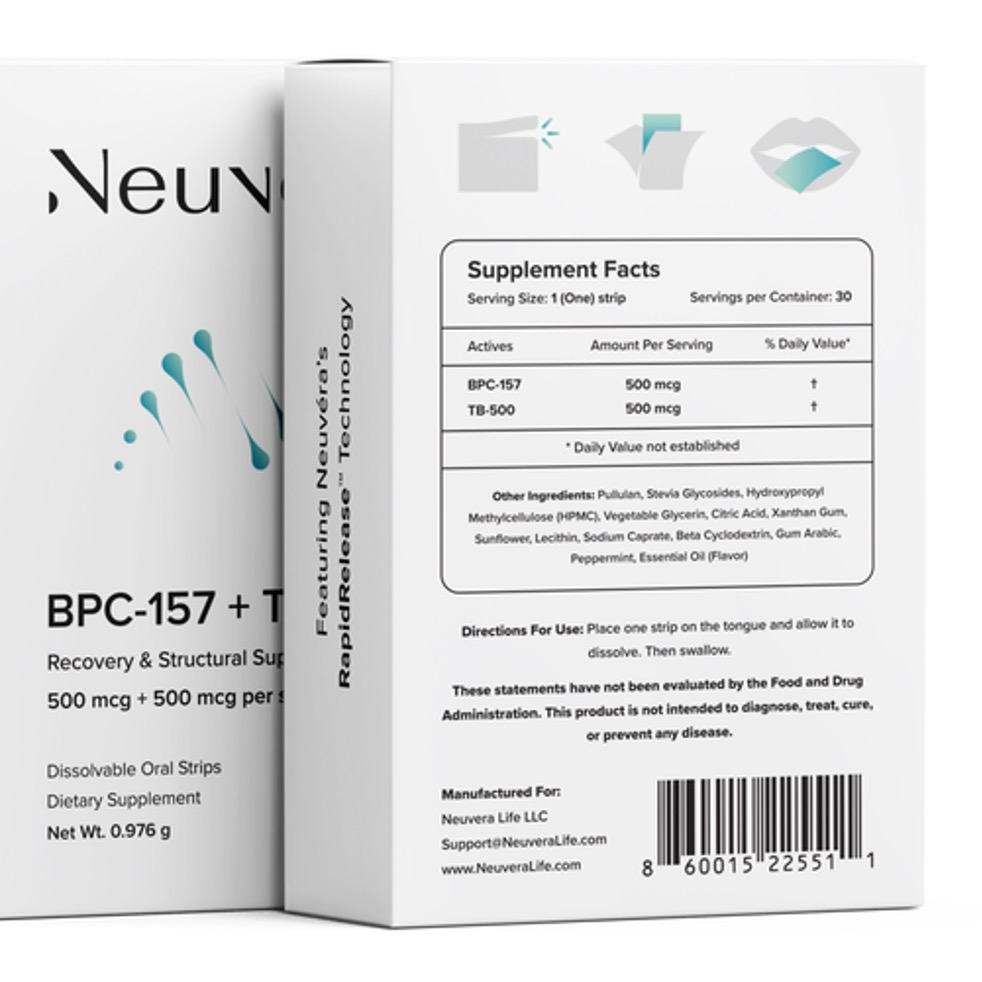
Neuvéra’s BPC-157 + TB-500 RapidRelease™ Oral Strips offer a convenient peptide format.
At Neuvéra, we've designed our BPC-157 + TB-500 RapidRelease™ Oral Strips to make recovery support both convenient and consistent. Each fast-dissolving strip contains 500 mcg of BPC-157 and 500 mcg of TB-500, helping support the body's natural repair and resilience pathways without injections or complicated preparation. Manufactured in the USA under cGMP quality standards and third-party verified, our formula is built for everyday use. If you're ready to make recovery a consistent part of your routine, learn how Neuvéra can support your journey.
Frequently Asked Questions (FAQs)
What Is the Main Difference Between BPC-157 and GHK-Cu?
BPC-157 and GHK-Cu are both peptides with different areas of focus. BPC-157 is commonly associated with tissue recovery and resilience, while GHK-Cu is more focused on collagen production, skin health, and regeneration support.
Is GHK-Cu Better Than BPC-157 for Skin Repair?
For skin-focused applications, GHK-Cu is generally considered the better option. It is associated with collagen production, skin regeneration, and improved elasticity, whereas BPC-157 is more commonly linked to soft tissue repair and recovery rather than cosmetic skin support.
How Long Does It Take to See Results From Peptides Like BPC-157 or GHK-Cu?
The timeline for noticing changes can vary depending on factors such as individual goals, consistency, and the specific peptide being used. Peptides are typically discussed as part of longer-term wellness routines rather than instant solutions.
Why Choose Oral Strips Over Other Peptide Formats?
Oral strips provide a convenient, pre-measured option that fits easily into everyday routines. Unlike formats that require mixing or injections, they're designed for quick, hassle-free use. At Neuvéra, our RapidRelease™ Oral Strips are designed to make daily peptide support simple: place one on the tongue, and let the formula do its work.
Disclaimer: The information in this article is for general informational purposes only and is not intended as medical advice, diagnosis, or treatment. Neuvera's products are not pharmaceutical products. Individual results may vary. Always consult a qualified healthcare professional before starting any new wellness routine.
Written by Cody Nickson
READY TO CHOOSE?
Find your daily strip routine.
Answer one simple question: what are you building around? Then compare Neuvéra routines by goal.